
Technical debt consumes an estimated 20–40% of the value of a typical enterprise technology estate, and 53% of executives report that difficulties integrating with legacy systems have directly derailed their intended outcomes. Neither of those numbers is about bad engineering. They are about decisions deferred until deferral became the architecture.
Programme design, delivery and recovery
We are called in at two very different points. The first is at the start, to design a programme properly: outcomes named before technology is chosen, a baseline instrumented before benefits are claimed, and governance sized to the risk rather than to the org chart.
The second is recovery, and it is more common. A programme is late, the burn rate is not slowing, and the reporting has quietly shifted from outcomes to activity. Recovery work is mostly diagnostic before it is corrective, because the visible symptom is almost never the cause. Slippage is usually downstream of a scope that was never bounded, a dependency nobody owned, or a benefits case that could not survive being measured.
Recovery also means being willing to recommend cancellation. A programme with no failure condition has no success condition either, and continuing to fund one because it is embarrassing to stop is the most expensive form of governance there is.
The recurring causes we find in stalled programmes
- Scope agreed in principle but never bounded in writing, so every review adds and none removes
- Integration with legacy systems treated as a workstream rather than as the central risk
- Benefits claimed against an estimated baseline that was never instrumented
- Change management under-budgeted, typically by the 20–30% of programme cost it genuinely requires
- A steering group receiving activity reporting and mistaking it for progress
Legacy and ERP modernisation
Mid-market legacy estates share a shape. An ERP installed a decade or more ago and customised past the point of safe upgrade. A CRM adapted so heavily that the vendor’s roadmap no longer applies. Financial reporting resting on spreadsheet infrastructure that predates the cloud. Each decision was defensible when it was taken. Collectively they now set the pace of the business.
Modernisation is not a migration. Lifting a badly-fitting system into a cloud tenancy produces the same constraints at a different run rate. The work is deciding, service by service, what should be replaced, what should be wrapped and left alone, and what should simply be switched off — a decision that requires knowing what each system genuinely does, which is very often not what its documentation says.
The path to modernisation is not a plug-in. It is a multi-year sequence, and the first decision is which parts of the estate deserve to survive it.
Cloud and application architecture
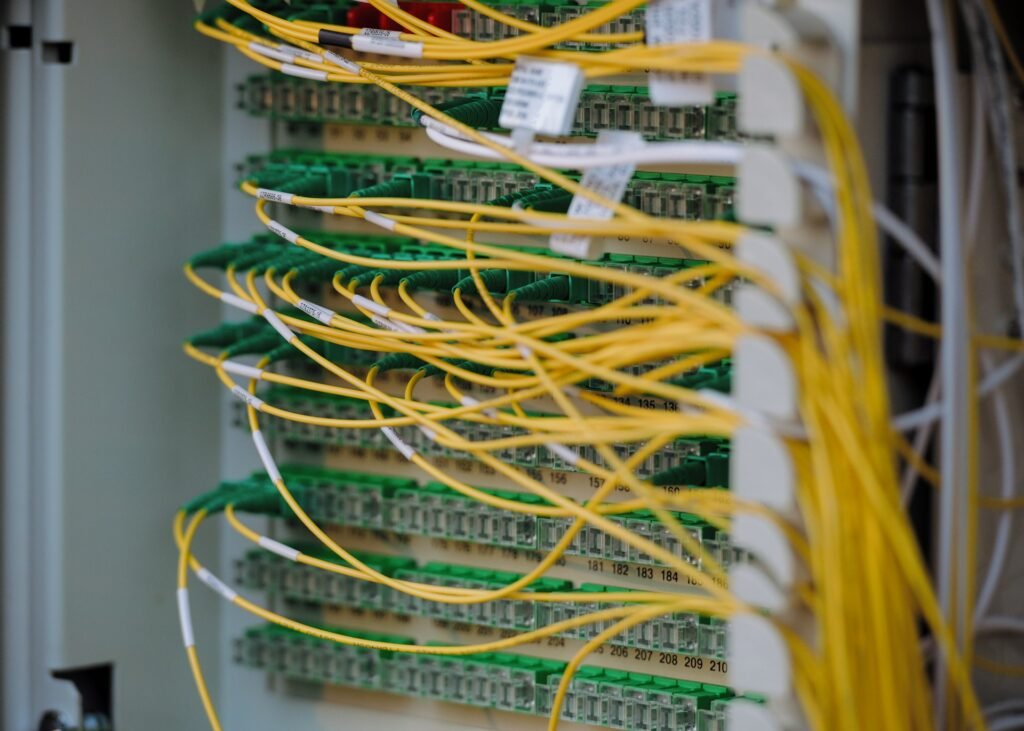
The architectural goal for a mid-market estate is not elegance. It is decoupling change — so that a release in one place does not require regression testing everywhere, and so that a supplier decision in one domain does not constrain every other.
In practice that means a foundational layer worth having: containerisation, infrastructure as code, unified APIs across the systems that matter, and observability that surfaces silent debt before it compounds. What it does not mean is rebuilding everything cloud-native because the reference architecture says so. Hybrid is a legitimate destination when the economics say it is, and for many mid-market businesses they do.
DevSecOps, cyber security and managed IT
Security bolted on after delivery is expensive, slow and less effective than security inside the pipeline. That is now well understood in principle and still rare in mid-market practice, largely because the tooling and the team habits were built in a different era.
Our work is moving security left into CI/CD rather than into a pre-release gate, instrumenting the estate so vulnerability remediation is measured in days rather than release cycles, and building controls that will survive an actual audit as opposed to a checklist. Where AI belongs here is specific: augmented triage and prioritisation across a volume of findings a human team cannot realistically process. Not autonomous remediation.
Managed IT sits alongside this for businesses that need the capability without building the headcount — deliberately structured so it does not become another dependency you cannot exit.
Signals this is the conversation you need
- A significant programme is late and the explanations have stopped being specific
- Your ERP or core platform is out of support, or customised beyond safe upgrade
- AI or automation initiatives keep stalling at integration with existing systems
- Security remediation is measured in release cycles rather than days
- A change in one system reliably requires testing across several others
If a programme is already in trouble, the earliest useful conversation is the one where nothing is being defended.